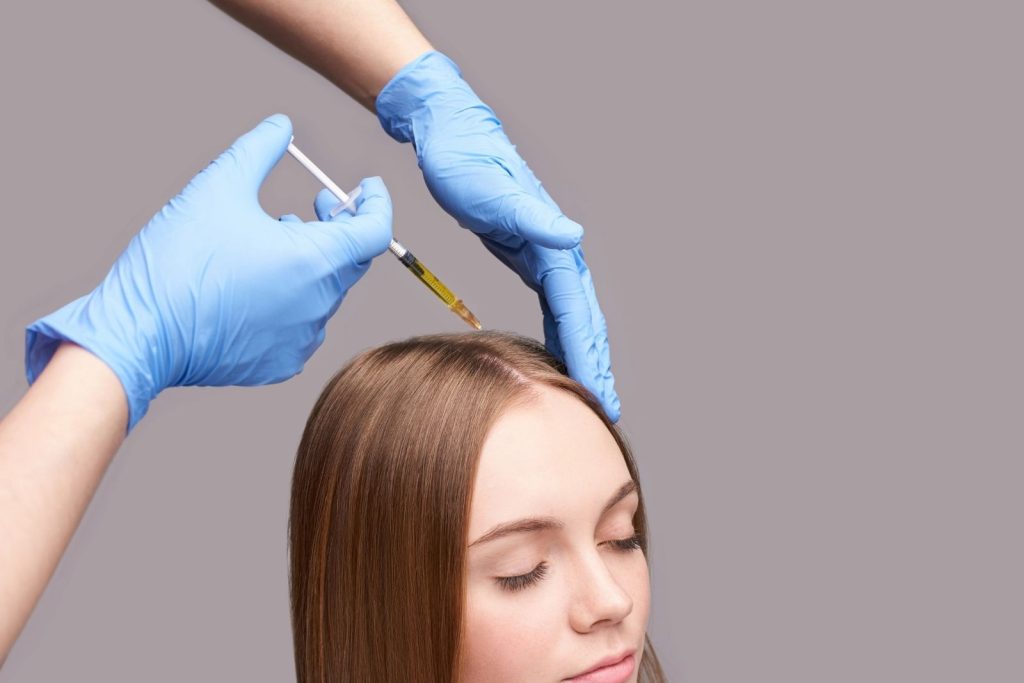

Hair loss is a common concern for people of all ages. It can happen gradually or suddenly, and although it isn’t always harmful to overall health, it can deeply affect self-esteem, confidence, and emotional wellbeing. As more individuals seek natural, minimally invasive solutions for thinning hair, one treatment has grown significantly in popularity: Platelet-Rich Plasma therapy, commonly known as PRP.
PRP hair restoration—often referred to in German-speaking regions as PRP Haare—is increasingly chosen by those looking to support natural hair growth without surgery. This therapy uses the body’s own healing properties to stimulate follicles, strengthen existing hair, and promote healthier regrowth.
In this extensive guide, you will learn what PRP is, how it works, who it is best suited for, and what to expect from treatment sessions. Whether you are dealing with early-stage thinning or more advanced hair loss, understanding PRP can help you make an informed decision about your next steps.
Understanding How PRP Supports Hair Growth
To understand why PRP has become such a trusted option, it helps to know what platelet-rich plasma actually is. PRP is derived from your own blood and contains a high concentration of growth factors—nutrients that support healing, tissue regeneration, and cellular repair.
Why Platelets Matter
Platelets are the part of your blood responsible for healing injuries. When you cut or bruise yourself, platelets rush to the area and send signals to the body to begin repairing the tissue. These same growth factors can awaken dormant hair follicles and encourage thicker strands.
How PRP Is Created
Although it involves your blood, PRP treatment is simple and minimally invasive:
A small amount of blood is drawn from your arm.
The blood is placed in a centrifuge.
The device spins rapidly to separate plasma from red and white blood cells.
The resulting plasma—rich in healing platelets—is injected into targeted areas of the scalp.
Since this treatment uses your own blood, the risk of allergic reactions or rejection is extremely low.
Why People Choose PRP for Hair Loss
There are many reasons why PRP has become a preferred option for natural hair restoration.
1. It’s a Non-Surgical Solution
Unlike hair transplant surgery, PRP does not involve incisions or long recovery periods. Most people return to normal activities the same day.
2. It Uses Your Body’s Natural Healing Powers
Clients appreciate that PRP does not rely on chemical medications or synthetic products. It is entirely derived from your own biology.
3. It Targets the Root Cause
PRP addresses follicle strength and vitality. This makes it an effective option for:
Early hair thinning
Reduced hair density
Weak or fragile hair
Androgenetic alopecia (genetic hair loss)
Postpartum hair issues
Stress-related thinning
4. It Can Be Combined With Other Treatments
Many people use PRP alongside:
Microneedling
Hair growth supplements
Low-level laser therapy
Prescription treatments
This combination approach can yield stronger, faster results.
Who Can Benefit Most From PRP Hair Therapy
Although PRP is safe for many people, certain types of hair loss respond especially well.
Early-Stage Hair Thinning
PRP tends to be most effective when follicles are still active but producing finer, weaker hair.
Hereditary Hair Loss
Many men and women facing androgenetic alopecia (pattern baldness) use PRP to slow the process and improve growth.
Stress or Hormonal Hair Loss
Stress, hormonal imbalances, and postpartum changes can all trigger shedding. PRP can help strengthen follicles during recovery.
Weakening Hair After Illness
People who experience hair loss after medical conditions may benefit from the stimulation PRP provides.
Individuals Seeking Natural Results
For those who prefer non-surgical, holistic treatments, PRP offers a powerful yet natural option.
What to Expect During a PRP Treatment Session
PRP treatment is straightforward, and most sessions last 30 to 60 minutes.
1. Consultation and Scalp Assessment
A specialist examines your scalp, discusses your history, and determines whether you are a good candidate.
2. Blood Draw
A small amount of blood is taken from your arm—similar to routine medical testing.
3. Preparing the PRP
Your blood is placed in a centrifuge that separates the powerful plasma from other components.
4. Scalp Injections
Using fine needles, the PRP is injected into targeted areas. Most clients describe the sensation as mild.
5. Aftercare
You may receive instructions such as:
Avoid washing your hair for several hours
Skip strenuous exercise for the rest of the day
Refrain from using strong hair products for 24 hours
Most people return to work or daily tasks immediately after treatment.
How Long It Takes to See Results
Hair growth is gradual, and results vary based on age, genetics, health, and the severity of hair thinning. However, typical progress looks like this:
After 1–2 Sessions
Some people notice reduced shedding and a healthier scalp.
After 3–4 Sessions
Hair begins to grow in thicker, with improved density.
After 4–6 Sessions
Significant improvements in volume, fullness, and hair strength become visible.
Many specialists recommend a series of treatments spaced 3–6 weeks apart, followed by maintenance sessions every 4–6 months. This cycle supports long-term results.
Benefits of PRP Compared to Other Hair Treatments
There are many ways to address hair loss, but PRP holds a unique position.
PRP vs. Topical Products
Topical solutions like minoxidil can be helpful but often require continuous daily use. PRP works deeper, targeting the biological root of hair growth.
PRP vs. Medication
Certain medications may have side effects. PRP is naturally derived and generally well tolerated.
PRP vs. Surgery
Hair transplant surgery can be effective but is more invasive, expensive, and requires downtime. PRP is nonsurgical and suitable for people who prefer a gentler approach.
PRP vs. Supplements
Supplements support overall health but often cannot reactivate follicles directly. PRP delivers growth factors precisely where they are needed.
Tips to Maximize the Results of PRP Treatment
Although PRP is powerful, clients can further support their hair health through daily habits.
1. Reduce Stress
Chronic stress disrupts hormones and contributes to thinning. Practices such as exercise, meditation, and mindfulness can help.
2. Support Your Diet
Protein, iron, vitamin D, and omega-3 fatty acids all play important roles in hair growth.
3. Avoid Harsh Styling Practices
Heat styling, chemical treatments, and tight hairstyles can weaken the hair shaft.
4. Maintain Scalp Health
Using gentle shampoos and keeping the scalp clean helps follicles function optimally.
5. Follow the Recommended Treatment Plan
Consistency is essential for long-term improvement with PRP therapy.
Why Choosing the Right Specialist Matters
PRP is highly effective, but only when performed by someone experienced in aesthetic and regenerative procedures. A skilled specialist will:
Use high-quality PRP preparation methods
Understand the biology of hair loss
Offer personalized treatment plans
Prioritize client comfort and safety
Provide realistic guidance and expectations
Working with a trusted professional can greatly influence the outcome.
Signs of a Qualified PRP Provider
When researching specialists, look for:
Experience with aesthetic medicine
Knowledge of hair restoration techniques
Clear explanation of the treatment process
Before-and-after photos
A holistic, patient-centered approach
Transparent communication about costs and schedules
These qualities help ensure a positive experience from start to finish.
Is PRP Worth It? The Growing Popularity of Natural Hair Restoration
Many people choose PRP because it offers:
Natural-looking results
A non-surgical approach
Long-term improvements
Minimal side effects
Increased confidence and comfort
Clients who have struggled with hair loss for years often describe PRP as a life-changing option—one that helps them feel more connected to their appearance and identity.
Conclusion
Hair thinning affects millions of people, but natural, effective, and minimally invasive solutions are available. PRP treatment offers a scientifically backed method to stimulate hair growth, strengthen follicles, and restore confidence. With consistent sessions and a knowledgeable specialist, many individuals experience significant improvements in fullness, density, and overall hair health.
For those seeking a trusted provider specializing in PRP hair restoration, Redeker Aesthetics offers detailed information, professional treatment guidance, and a patient-centered approach to supporting natural hair growth.
Stay in touch to get more updates & news on Adria English!