
About home maintenance: waiting until something breaks usually means you’re already looking at a hefty repair bill. Regular home inspections aren’t just about ticking boxes on a checklist, they’re about catching those small issues before they snowball into wallet-draining disasters. Too many homeowners skip the annual once-over, only to discover serious problems when it’s far too late. When you stay on top of inspections for key systems and structures, you’re essentially giving yourself an early warning system for trouble. This proactive approach doesn’t just protect your investment; it gives you that peace of mind knowing your family’s living in a safe, functional space. Plus, understanding which areas need regular attention means you can build a maintenance schedule that actually works instead of just reacting to crises.
Roof and Attic Systems
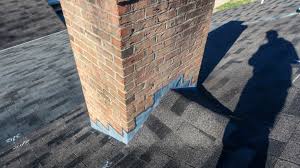
Your roof takes a beating from weather year-round, which makes it absolutely critical to inspect annually. Spotting missing, damaged, or curling shingles early can save you from the nightmare of water damage seeping into your home’s interior. The flashing around chimneys, vents, and skylights? That’s where problems love to start, so give those spots extra attention during your inspection. While you’re at it, don’t skip the attic, it’ll tell you everything you need to know about water intrusion, insulation issues, or ventilation problems that are quietly killing your energy efficiency. Watch for dark spots, mold growth, or that telltale musty smell indicating moisture’s been accumulating. Good attic ventilation isn’t optional; it prevents ice dams when temperatures drop and keeps your home from turning into an oven during summer. When you’re dealing with challenging weather conditions or steep roof pitches, it makes sense to call in specialists like Austin Roofing professionals who have the equipment and expertise to identify structural issues such as sagging or damaged decking that may not be visible from ground level, ensuring your roof continues protecting your home effectively. They’ll catch things that are easy to miss from ground level.
Foundation and Exterior Structure
Everything else sits on your foundation, so even hairline cracks deserve attention before they become structural nightmares. Your annual inspection should cover both interior and exterior foundation walls, look for new cracks, existing ones getting wider, or any signs water’s finding its way in. Check the grading around your home’s perimeter too; water should flow away from your foundation, not pool against it like a moat. Take a walk around your home’s exterior and examine siding, trim, and paint for deterioration, rot, or pest damage that could let moisture sneak in or give insects and rodents an open invitation.
Plumbing and Water Systems
Water damage consistently tops the list of expensive home repairs, which makes plumbing inspections non-negotiable during your annual maintenance. Examine all visible pipes for corrosion, leaks, or that sweating that signals condensation problems brewing. Get under sinks, check around toilets, and inspect near water heaters for moisture, stains, or soft spots, these are telltale signs of hidden leaks. Test water pressure throughout your home; if you’re noticing significant variations, you might have pipe blockages or fixtures that are starting to fail.
HVAC and Ventilation Systems
Your heating and cooling systems represent a serious investment, and they need regular maintenance to run efficiently without conking out prematurely. Annual inspections should start with the basics, changing or cleaning air filters directly impacts both air quality and how well your system performs. Look over your ductwork for gaps, disconnections, or damage that’s letting your expensive conditioned air escape into spaces where it’s doing you no good. Make sure all vents and registers are clear and delivering appropriate airflow to each room.
Electrical Systems and Safety Features
Electrical problems aren’t just inconvenient, they’re fire hazards that put your family and property at serious risk. Examine all outlets and switches during your annual inspection for warmth, discoloration, or unusual odors that scream “loose connections” or “overloaded circuits. ” Test those ground fault circuit interrupter outlets in bathrooms, kitchens, and outdoor locations to make sure they trip the way they’re supposed to. Your electrical panel needs a look too, rust, corrosion, or breakers that keep tripping may indicate circuits that are working too hard.
Conclusion
Building a comprehensive annual inspection routine into your schedule is one of the smartest things you can do for your home and your bank account. By systematically checking roofing systems, foundations, plumbing, HVAC equipment, and electrical components, you’re catching problems when they’re still small, manageable, and affordable to fix. Creating a detailed checklist and keeping records of inspections and repairs helps you track your home’s condition over time, plus, it’s incredibly valuable when you eventually sell. While many inspection tasks are totally manageable for hands-on homeowners, don’t hesitate to call in qualified professionals for specialized systems or when you discover something that’s beyond your comfort zone.