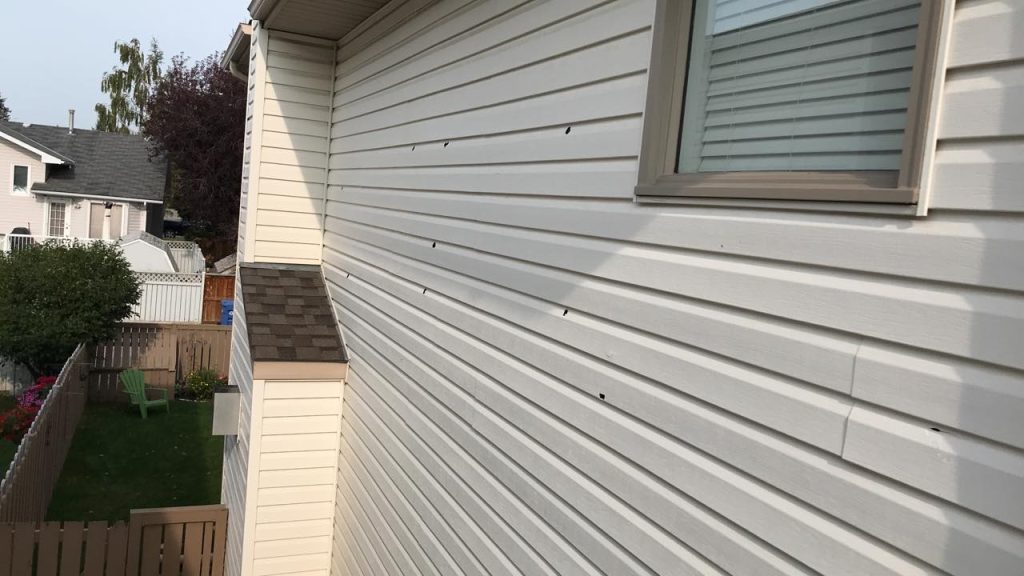

Siding in Calgary is exterior cladding designed to withstand freeze-thaw swings, hail, and chinook winds. For homeowners and businesses, the right siding increases curb appeal, reduces drafts, and minimizes maintenance. Popular options in Calgary are vinyl, fibre cement, engineered wood, and metal, all of which have excellent hail and sun resistance. Superior Roofing offers siding installation, repair, and hail claim support with local expertise. Rely on transparent recommendations, honest estimates, and craftsmanship that endures Calgary’s climate.
Calgary’s Siding Gauntlet
Calgary’s seasonality is intense. Calgary’s siding has to take on freeze-thaw cycles, spring hail, high altitude UV, and chinook winds. Material, install method, and warranty terms matter as much as colour. Calgary’s Siding Gauntlet – Timelines and contractor quality vary significantly here, so schedule wisely and choose systems and crews with a proven track record.
Freeze-thaw and hail: durability is non‑negotiable
Daily winter swings above and below 0°C force water in and out of joints, which can cause brittle boards to crack and fasteners to pop loose. Toss in hail that can bruise, dent or lap-shatter. Vinyl siding remains prevalent in Calgary because it stretches, sheds water, and requires minimal maintenance. Heavier-gauge vinyl and impact-rated lines from the top brands hold up more effectively against ice and hail. Fibre cement is fire-resistant and paintable, but requires exact clearances off grade and properly flashed penetrations to prevent wicking during thaw cycles. Engineered wood offers a cozier appearance with factory finishes, but requires meticulous installation and occasional touch-ups. Metal (steel) sheds hail better than aluminum and holds a crisp profile in wind. Request impact ratings, panel thickness, and sample offcuts. See how the hem and locks ‘feel’. Good installation—backer board where necessary, fastener lines straight, rock-solid housewrap—frequently determines who makes it through that initial hail cell.
UV resistance: holds colour and shape in high sun
Calgary’s elevation and dry air accelerate UV load. Cheaper vinyl can fade or warp on south and west walls. Search for UV inhibitors, heat-reflective colours and darker shades rated for low heat gain. Fibre cement will hold colour with premium factory coatings and fade-resistant warranties. Metal finishes feature top-grade baked-on paints that resist chalking and maintain a clean, lustrous appearance. Get colour-fade and chalk warranties in writing. Many top lines have 15 to 30-plus year finish coverage from affiliated manufacturers.
Moisture resistance: key characteristics to demand
- Drains water fast with a defined rainscreen gap
- Seals end joints with proper flashing or joint mouldings
- Uses corrosion-resistant fasteners rated for exterior use
- Maintains clearances from grade, decks, and roofs
- Wraps openings with taped, shingle-lapped membranes
- Vents at the top and bottom dry out walls after storms.
Curb appeal that lasts despite the weather
Select profiles and trims that remain distinct even after hail season and winter dust. Deeper laps conceal slight unevenness on aging walls. Steel with a matte finish conceals dents and glare. Fibre cement in classic, understated colours complements Calgary’s stone accents. Vinyl is still economical, but budget for trim pieces that align in texture and gloss. Budget with eyes open: installing vinyl can be a significant expense in Calgary, even if some projects are completed in 2 days. Others can drag for months due to backlogs or change orders. Calgary’s Siding Gauntlet Contractors here are awesome to hit and miss — communication is king! Narrow down to companies with responsive project managers, decade-plus workmanship guarantees, and top manufacturer partners for stable supply and choices. Review the latest local job openings, inquire about hail claim assistance, and establish a schedule with clear milestones and daily check-ins.
Popular Siding Materials
Your siding in Calgary must withstand the deep freeze, Chinook swings, hail, and powerful winds. Our selections below emphasize longevity, maintenance, and energy efficiency that suit our climate and construction styles.
Vinyl Siding
Vinyl is the most economical. Tuned-up, insulated vinyl boosts R-value and helps combat winter drafts and summer heat gain. It sheds water well and resists rot. Thickness and impact rating are a big deal in hail-prone areas all over the northwest and foothills edge.
- Pros: lowest upfront cost, wide colour range, low upkeep, insulated vinyl boosts R-value.
- Cons: can crack in severe hail, warps close to fireplaces, heaters, and water heaters, and seams on long walls.
Fibre Cement (James Hardie)
Fibre cement, made from wood pulp and Portland cement, takes cold snaps, chinooks, and UV with aplomb. James Hardie is a popular choice throughout North America and is commonly used for infills in Calgary and suburban rebuilds. It retains paint, resists fire, and maintains integrity in wind.
- Pros: excellent weather tolerance, strong hail resistance, non-combustible, crisp profiles, and long service life.
- Cons: heavier product, requires appropriate flashing and clearances, may require repainting over time, and higher installation costs.
Engineered Wood
Engineered wood siding offers the warm appearance that many owners desire, featuring treated cores that resist moisture more effectively than natural wood. Vinyl siding installs fast, accepts paint or stain, and accommodates the contemporary and Craftsman designs common to many inner-city renovations.
- Pros: rich wood look, lighter than fibre cement, good impact resistance when installed to spec, quicker install.
- Cons: requires careful sealing at cuts, requires regular coat maintenance, and is not as fireproof as cement.
Metal (Steel and Aluminum)
Steel fares well against hail and wind, and is suitable for both homes and light commercial buildings. Aluminum resists rust and fire and is prevalent on older Calgary homes. Dents and scratches are more visible, and it has modest insulation value.
- Pros: High wind resistance. Steel offers strong hail performance. Non-combustible. Low water absorption.
- Cons: Aluminum dents easily, and there may be possible oil-canning on large panels. It may require an additional layer of insulation.
Hail and Impact Resistance in Calgary
Best overall: Steel and fibre cement. Next: Thicker, impact-rated vinyl and quality engineered wood with correct substrates. Least suited locally: Stucco and natural wood due to cracking, moisture risk, and maintenance under freeze-thaw cycles.
Your Siding Investment
Intelligent siding decisions in Calgary combine upfront expenditure with reduced maintenance, increased comfort, and enhanced resale value. New siding and trim are among the highest-ranked upgrades to boost home value, and in a city with hail, high winds, and 7-month winters, long-lasting cladding really pays off in actual use.
Initial Costs vs. Long‑Term Savings
Anticipate an average installed cost of between $5 and $20 per square foot in Canada, depending on the material, wall height, details, and site access. Vinyl tends to be on the lower end, while fibre cement, engineered wood, and metal tend to be on the higher end. There are additional costs for sheathing repairs, foam board, and fancy profiles. As our own experience confirms, tight, well-sealed siding over time cuts heat loss, reduces drafts, and helps the furnace work less in the January cold. Many Calgary homes experience decreased monthly bills when upgrading from warped or cracked panels to insulated systems, particularly when paired with house wrap and sealed trim. Less repair adds up, too. Impact-rated panels and proper flashings withstand better against hail and wind, allowing you to avoid mid-season callouts for split laps and water stains.
Property Value and Curb Appeal
New siding can freshen up lackluster exteriors and establish a distinct initial impression. A clean, contemporary profile, matched trim and proper scale boost buyer confidence and minimize “project fatigue” during showings. Siding replacement is one of the best ways to increase value and reduce time on the market in Calgary’s mature communities, from Brentwood bungalows to Signal Hill two-story homes. Colour-fast finishes and crisp metal flashings surround windows and doors, nudging the aesthetic from old-fashioned to fresh without a complete facade overhaul.
Warranty Coverage That Matters in Calgary
Warranties differ based on brand and style. Seek individual language on finish (fade and chalk), substrate (rot or delam) and hail impact. In our climate, freeze-thaw cycling and high UV exposure are significant factors, so be aware of exclusions related to installation, nailing, clearances to grade, and caulking maintenance. A few fibre-cement and engineered-wood lines provide limited hail coverage. Vinyl typically excludes impact over a certain size. Request written terms, resale transfer policies, and evidence of certified fasteners and accessories. These specifics safeguard your warranty in the long run.
Insurance Premiums and Risk
Insurers rate risk by material and claims history in your zip code. Impact-resistant choices, such as thicker vinyl, Class 4-rated systems, steel, or fibre cement, can help mitigate hail claims and may be eligible for reduced premiums or deductibles. If your scheme utilizes actual cash value for exteriors, hail claims on older, sun-faded panels may result in a payout less than anticipated. Verify replacement cost coverage, cosmetic damage clauses on metal, and any surcharge associated with previous hailstorms. A stain-resistant, high-quality siding option is a smart and good investment, enhancing both peace of mind and long-term cost management.
Beating Calgary’s Bills
Siding in Calgary not only covers a house. It protects against hail, wet snow, and brutal chinook swings, and it helps reduce heat loss that fuels monthly expenses. The correct system enhances comfort, stabilizes indoor temperatures, and reduces bills while adapting to our climate.
Materials that insulate well and hold up
- Insulated vinyl: A budget pick with foam-backed panels to boost R-value and add impact resistance. Standard vinyl gets drafty. The foam core is great in winter gusts and spring storms. Consider adding house wrap or rigid foam for actual increases.
- Fibre cement: Dense boards reduce thermal bridging and take hail better than thin vinyl. Combine with rigid foam for a snug, silent wall. It requires repainting every 12 to 15 years to maintain finish integrity.
- Engineered wood: Warm look with improved moisture control compared to raw wood. With foam sheathing and careful flashing, it withstands freezing and thawing like a champ. Schedule light maintenance and paint cycles.
- Metal (steel): Strong in hail and low maintenance. By itself, it’s not an insulator, so pair it with rigid foam to reach the desired R-values and reduce noise from wind.
- Stucco systems (EIFS): When detailed with continuous insulation, EIFS can deliver high thermal performance. It requires expert installation to deal with drainage and Calgary’s slushy snow.
In Calgary, siding replacement can range from $5 to $20 per square foot, depending on material, foam thickness, and trim details. Repairs range from $500 to over $3,000 if hail damage exceeds certain elevations.
Layering for tighter, warmer walls
Install a high-permeability house wrap to prevent bulk water from entering and allow the walls to dry. For significant energy savings, add continuous rigid foam, typically 25 to 50 mm thick, over the sheathing before applying the siding. This closes gaps at studs, cuts thermal bridging, and helps keep indoor surfaces warmer, thereby reducing drafts and the risk of condensation. Budget vinyl? By using foam-backed panels in conjunction with rigid foam, you can achieve a level of comfort comparable to that of high-end systems.
Airtight siding that blocks drafts
Heat most often leaks out through gaps at seams, corners, and around vents. A thoughtful air-seal strategy, including taped sheathing seams, sealed window flanges, tight J-channels, and foam-filled penetrations, effectively minimizes drafts. In winter, a tight cladding and wrap system diminishes wind washing, so rooms don’t feel as chilly, even at the same set point.
Run the numbers before you pick
Request modelled savings, tailored to your wall type, foam thickness and siding selection. Compare upfront costs with 5- to 10-year energy savings in CAD, and factor in maintenance, such as repainting fibre cement every 12 to 15 years, when considering the payback period. Consider Calgary’s storms: vinyl is affordable, but often requires additional insulation. Steel and fibre cement cost more, but they can reduce the need for repairs after hail. Strike a balance between budget, climate, and maintenance to reduce your bills and safeguard your value.
The Installation Difference
Quality siding work in Calgary relies on correct installation. It impacts energy consumption, moisture management and cladding durability in our freeze-thaw cycles, chinooks and summer hail. A professional crew constructs weather-tight layers, ventilates walls properly, and complies with the Alberta Building Code and Calgary by-laws, ensuring your warranty remains valid.
Weather-tight sealing and ventilation done right.
Good flashing, taped seams and drip caps prevent wind-driven rain and meltwater from getting behind panels. In Calgary, we require continuous house wrap, sealed penetrations, and rigid or mineral wool exterior insulation, along with detailed window treatments, to minimize condensation during temperature fluctuations. Equally key is ventilation: rain screens and vented starter strips let walls dry after a storm. Miss any of this, and you’ll end up with swollen trim, warped boards, and frozen wall cavities. Pros use brake-formed flashing, proper fastener penetration and manufacturer patterns to keep the wall snug without over-driving nails.
What can go wrong with DIY
DIY saves on labour; it’s heavy, high-risk work with sharp tools and ladders. Typical mistakes include wavy starter rows, no expansion gaps on vinyl, tight fasteners that cause oil-canning in metal, and sealed cut edges on fibre cement. Such mistakes encourage leaks and reduce the system’s longevity. Most manufacturers state that incorrect installation voids limited warranties, and underwriters can reject claims if the work wasn’t up to code. The installation difference is that pros come equipped with coil brakes, shears, siding nailers, pump jacks and harnesses, all of which accelerate work and reduce risk.
Timelines, weather windows, and Calgary conditions
Calgary: My standard Calgary home is about 1 to 2 weeks, depending on the size, material, and factors such as window trims or new sheathing. Mild, dry weather is ideal. Anything that is flying around in high winds or blowing snow can pull at the felt and wrap it. Deep cold makes vinyl brittle and sealants sensitive. Crews schedule sequencing based on forecasts, install wind breaks and heat-seal tapes as required, and maintain a realistic schedule while safeguarding the wall.
Codes, permits, and warranties that hold up
Calgary jobs may require a building permit when modifying exterior wall assemblies or increasing insulation thickness. Local installers understand setback regulations, fire-rated claddings near property lines, and nail-base requirements in addition to foam. They submit product registrations and adhere to manufacturer guidelines, ensuring that material and workmanship warranties are applicable. That insulates you from defects and provides a single point of accountability.
How to vet your installer
Request the three Calgary installations during the past year and drive by the houses. Check for WCB coverage, liability insurance and a City of Calgary Business License. Brand certifications for your selected material, a written scope with detailed specifics, start and finish dates, and a workmanship warranty in CAD. It is easy to see why it is easy to install, and we love the results.
The Exterior Renovation Plan
Siding – Plan your siding work to suit Calgary’s climate, budget, and maintenance. Balance curb appeal, durability, and cost with records tight and timelines clear.
Step-by-Step Timeline and What to Expect
- Site check and scope: Inspect sheathing, framing edges, and moisture paths around eaves, decks, and grade lines. Flag rot or ice-dam damage is typical of Calgary freeze-thaw cycles.
- Design and selections: Confirm profiles, colours, and trims to match local styles in communities like Mahogany or Brentwood. Fibre cement, engineered wood, and premium vinyl are all good bets in our dry, cold winters.
- Permits and scheduling: Line up City of Calgary permits as needed and book appointments around shoulder seasons for steadier weather, allowing for better paint and caulk cure times for windows.
- Removal and prep: Strip old cladding, assess WRB, flashings, and window fins. Prep is most of the job. On paint projects, surface prep is seventy percent of the work.
- Repairs and upgrades: Replace damaged sheathing, add rainscreen battens for drainage, and upgrade flashings. Plan for trim swaps at around $200 per window or door.
- Install: Set new siding, flash transitions, seal penetrations, and verify fastener spacing according to the manufacturer’s specifications.
- Final paint/caulk and QA: Touch up finishes, confirm clearances at grade and roofs, and run a full punch list.
- Closeout: Deliver warranties, colour codes, and maintenance notes.
Budgeting for Calgary Projects and Hidden Costs
Our exterior projects typically start at around $15,000 and span well into the six figures, with many falling within the $40,000 to $70,000 range. Costs depend on scope, material grade, and labour. Expect labour to be roughly 40% of this. Set aside a 10-15% buffer for unexpected expenses, such as sheathing rot, insulation repairs, and code-required flashing upgrades. A practical rule is to allocate no more than 15 to 20% of your home’s value to any single renovation component. Fibre cement can provide roughly 88.5% return on investment, which supports a higher up-front spend.
Coordinate Siding with Other Exterior Work
Batch timelines to reduce waste. Install windows before finishing siding so flanges and flashings can be overlapped neatly. If your roof is within five years of end-of-life, coordinate roofing and siding to tie in step flashings and kickout once. Think about incorporating rigid exterior insulation and a rainscreen while the walls are open. These measures can significantly help reduce energy costs during Calgary’s long heating season.
Document Materials, Colours, and Warranties
Maintain a project book with product lines, colour codes, batch numbers, trim sizes, fastener specs, WRB type, and caulk/paint brands. Attach copies of manufacturer and labour warranties, serials, and install dates. Wall layers, window details, and flashing photos are golden for future repairs or resale disclosures.
Conclusion
That’s why strong siding pays off in Calgary. Hail hits hard. Chinook swings test seams. Heat loss bumps bills. Quality vinyl, fibre cement, or engineered wood resists, drowns out sounds and increases curb appeal. Upfront cost remains transparent with a direct scope and fixed estimate. Even better, pro install seals in fit, flash, and airflow, so walls remain dry and snug.
Looking for a fast scheme? We map specs, colour, trim and vents. We sync with your roof and eaves. We wash the site daily. It is easy, consistent, and there is no speculation.
Ready to start your siding project in Calgary? Call Superior Roofing for a complimentary site check and estimate.
Keep an eye for more latest news & updates on Adria English!