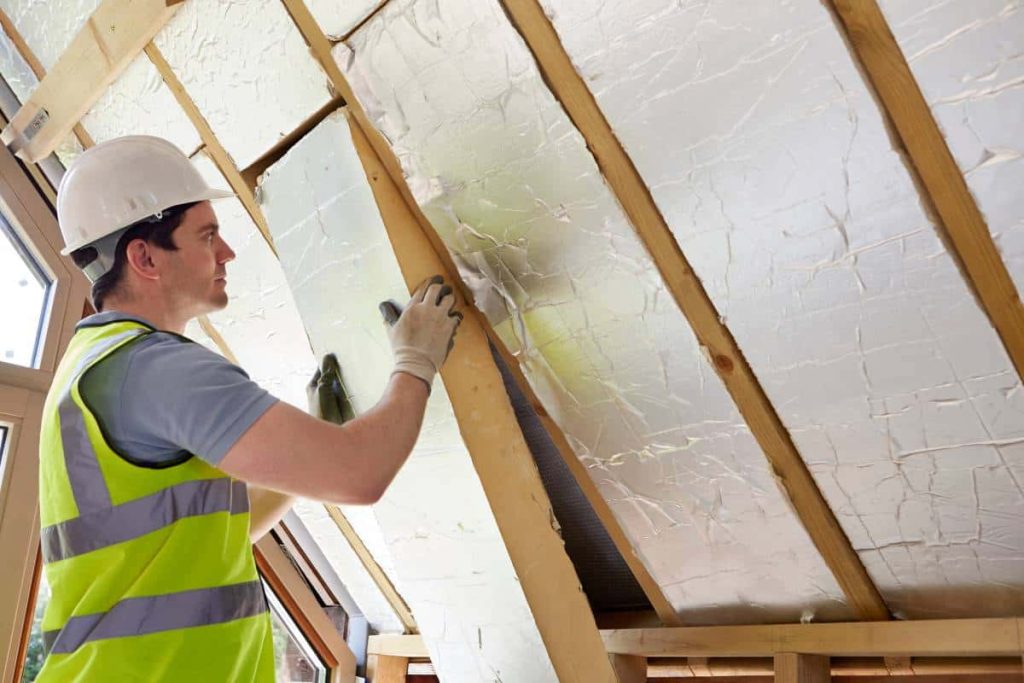

Attic insulation in Calgary leads to better heat control, lower bills, and reduced ice-dam risk during our long winters and hot chinooks.
Angel’s Roofing installs and upgrades blown-in cellulose and fibreglass to local R-60 targets, seals drafts, and keeps moisture in check. Crews adhere to Alberta codes, employ safe equipment, and tidy up properly.
You can anticipate transparent quotes, reasonable pricing, and on-time work. For information or a free quote, reach out to our Calgary crew today!
Slash Your Calgary Heating Bills
Attic insulation Calgary isn’t optional—it’s essential to reduce heat loss and balance indoor temperatures throughout long, dry winters and sudden thaws. As up to 25% of a home’s energy can be lost through the roof, a well-insulated attic directly reduces heating needs and thereby quickly slashes bills.
What Attic Insulation Delivers
An appropriately insulated attic can save you up to 30% on heating bills, making it hands down one of the quickest ROI upgrades for Calgary homes and businesses. For our climate, codes and energy advisors aim for R-49 to R-60 in the attic.
If your attic hasn’t been inspected in 5 to 10 years, prepare for higher bills, cold rooms, drafts, and even moisture or mould in the insulation. A professional check-up every few years keeps performance on track and helps avoid ice-dam risks along the Bow Valley winds.
Choose Efficient Materials and Services
Combine sound insulation with intelligent air sealing and optimal ventilation. In most Calgary attics, a combination of blown-in fibreglass for coverage and batt insulation around the edges works well. At the same time, dense-pack cellulose is a formidable option for older homes with irregular bays.
The aim is consistent coverage at the appropriate R-value, snug around can lights, hatches, and knee walls. Request baffles at eaves to maintain soffit vents clear and ensure balanced airflow across the roof deck.
Cool Roofs and Reflective Coatings
By reducing heat absorption on sunny winter days and in spring shoulder seasons, reflective roof coatings, or cool roofing, help stabilize attic temperatures and slash heat loss from thermal swings.
On low-slope commercial roofs, high-SRI membranes combined with upgraded attic or roof-cavity insulation reduce peak loads and extend membrane life. For steep-slope homes, lighter shingles or reflective-rated products, combined with a sealed and insulated attic floor, can curb the stack effect and reduce furnace run time.
What to Compare in Insulation Quotes
- The desired R-value is R-49 to R-60 for Calgary.
- Air sealing scope (top plates, penetrations, hatch)
- Venting plan (soffit baffles, ridge/roof vents)
- Material type and brand specs
- Installed depth and coverage maps
- Moisture control (vapour retarder approach)
- Warranty on labour and materials
- Cleanup, rebates, and scheduling
Create a Cozier Home Year-Round
Calgary’s long, cold winters and dry summers require attic insulation that retains heat in January and sheds it in July. The proper system minimizes energy consumption, decreases drafts, and balances comfort from room to room.
Use Professional Insulation Installation Services
Professional crews measure roof pitch, soffit flow, and current R-value, then seal and insulate to local code and climate requirements. If done correctly, insulation acts as a thermal barrier that prevents heat loss in winter and heat infiltration in summer, reducing heating bills by as much as 30 percent in extreme cold.
The correct depth, consistent coverage, and clean air paths keep bedrooms over garages warm, reduce hallway drafts, and make furnace cycling less stressful. Winter upgrades provide instant discounts for the remainder of the season.
Select Materials That Fit Calgary Homes
Spray foam seals up gaps in those complicated rooflines, increases the R-value per inch, and helps reduce street noise along Deerfoot Trail. Fibreglass batts fit open rafter bays and provide consistent performance in newer construction, at a reasonable price.
Blown-in cellulose plugs gaps in older homes with thin wall insulation, quelling chilly corners and stairwell ghost winds. All three choices reduce consumption, improve acoustics, and maintain balanced temperatures between floors and rooms.
Air Sealing That Works
- Seal top-plate gaps and rim joists with foam
- Gasket around plumbing stacks and electrical boxes
- Weatherstrip attic hatches; add insulated covers
- Foam around can lights rated for insulation contact
- Caulk drywall-to-framing seams at partition lines
- Cap and seal unused flues or chases
Control Moisture with Vapour Barriers and Ventilation
An uninterrupted interior vapour barrier restricts indoor humidity from migrating to frigid roof decks, minimizing the potential for mould, mildew, and rot. Balanced ventilation, including open soffits and ridge or roof vents, expels moist air, stops ice dams, and cools shingles in summer.
This prolongs roof lifespan and enhances indoor air quality. With the right amount of attic insulation and proper ventilation, these elements work in tandem to maintain even temperatures and lower your energy consumption through Calgary’s extremes.
Prevent Costly Ice Dams
Here in Calgary, the long cold snaps intermixed with chinooks drive roof temperatures up and down, which accelerates ice damming. Ice dams occur when snow melts on a heated roof deck and refreezes at the eaves. Insulation, ventilation, and drainage work together to keep the roof cold, transport moisture out, and safely shed meltwater.
What Proper Attic Insulation Does
Your attic insulation slows heat loss from living spaces, so warm air does not reach the roof deck. This keeps a consistently cold roof surface that won’t initiate melt-refreeze cycles.
As a first line of defence, target an overall attic R-value of R-50 to R-60 in most Canadian climates, which includes Calgary’s winters. Focus on trouble spots that leak heat: around recessed lights, attic hatches, bath fan ducts, plumbing stacks, and chimneys.
Seal gaps with foam or caulk, then insulate. For instance, box in IC-rated pot lights, weatherstrip the hatch, and wrap metal flues with code-approved shields and insulation spacers.
Why Ventilation Matters
Ventilation equalizes attic temperature and removes humid air that can condense and cause attic rain. Pair year-round soffit intake with upper roof vents, such as ridge or static vents, sized to the roof area.
Make sure to clear soffits of old insulation blocks and add baffles to keep paths open. In winter gusts, constant air movement keeps the roof deck close to outside temperature and reduces the chances of ice accumulation.
Work With Specialists
Expert insulation installers can evaluate insulation depth, air leaks, and vent configuration, then retrofit to achieve R-50 to R-60 targets, repair attic rain, and optimize venting.
At Angel’s Roofing, we combine air sealing with blown-in insulation and proper vent ratios. We inspect bath fans and chimneys to ensure safe, direct venting to the outdoors.
Step-by-Step Ice Dam Prevention Checklist
- Air seal: caulk penetrations, gasket hatches, seal can lights.
- Insulate: Add blown-in or batts to reach R-50 to R-60.
- Ventilate: Open soffits, install baffles, and add ridge or roof vents.
- Drainage: clean gutters; ensure downspouts drain before a freeze.
- Roof details: Extend underlayment to the eaves, and flash chimneys and vents.
- Verify bath fans: vent outdoors, not into the attic.
- Monitor: after the first snowfall, check for uneven melt lines.
- Act early: complete upgrades before deep winter.
Extend Your Roof’s Lifespan
Calgary’s freeze-thaw cycles, chinooks, hail, and high UV levels push roofs hard. A strategic approach to insulation, materials, coatings, ventilation and maintenance keeps systems balanced, dry and long-lived.
Invest in high-quality attic insulation and efficient roofing solutions to protect your roof from temperature extremes and moisture damage.
In Calgary, a well-insulated attic prevents winter heat loss and summer heat gain, reducing thermal stress on shingles, fasteners, and sheathing. With balanced R-values and air sealing, you will minimize ice dams that push meltwater beneath shingles.
Combined with savvy detailing—ice and water shield at eaves and valleys, sealed penetrations, and closed-cell foam at tricky junctions—insulation helps maintain consistent deck temperatures and humidity. This reduces the risk of condensation, controls freeze-thaw cracking, and extends service life.
Add a schedule: annual attic checks, roof inspections each spring and fall, and prompt repairs to stop minor leaks before they spread.
Select durable roofing products such as Decra metal roofing, slate shingles, or tile roofing to withstand Calgary’s harsh climate and extend roof longevity.
Material choice sets the baseline lifespan: asphalt shingles often last 15 to 25 years, quality metal lasts 40 or more years, and tile or synthetic lasts up to 50 years. Stone-coated steel, such as Decra, can resist hail and even shed snow.
Slate can withstand UV and wind, and concrete or clay tile can endure temperature swings with formidable underlayment beneath. Prune overhead trees to prevent strikes and debris accumulation—clear gutters and downspouts so meltwater drains freely.
Monitor age and condition to schedule replacements before failures drive up expenses.
Apply reflective coatings or cool roof materials to reduce rooftop temperatures and UV damage, preserving your roof covering and structure.
High-reflectance membranes, acrylic or silicone coatings, and cool-rated shingles reduce surface heat and decelerate UV degradation. On metal and low-slope areas, coatings seal micro-cracks, enhance water shed, and provide hail and corrosion resistance.
Maintenance treatments, such as anti-algae wash, rust inhibitors, and fastener re-seal, support performance. Recoat as per manufacturer intervals, and after hail, readdress scuffs and seal voids.
Maintain proper attic ventilation and moisture control to prevent rot, mould, and structural deterioration that shorten roof lifespan.
Balanced intake and exhaust send moist air outside, stabilize attic temperature and protect your deck. Sufficient airflow, combined with insulation, helps control humidity, preventing rot and mould at rafters and sheathing.
Add vapour control, vent bath fans outside and check that ridge and soffit vents are unobstructed. Keep a maintenance loop: semi-annual inspections, debris removal, fastener and flashing checks, and immediate fixes after storms.
Choose Your Best Insulation
Calgary’s long, cold winters call for attic assemblies that not only reach their required R-Values but also effectively manage moisture. Strive for R-60 to R-80 in attics with exterior walls at R-20 to R-30. Choose your best insulation: Pair materials to climate, roof design and energy goals to slash heat loss and ice dams.
Compare insulation options like fibreglass insulation, foam board insulation, and cellulose insulation material for their thermal performance and suitability to Calgary homes.
Fibreglass batts or blown-in fibreglass provide consistent R-values and inexpensive, clean installs in open joist bays. They resist rot, permit drying, and are appropriate for well-ventilated attics.
Cellulose, usually recycled paper, provides dense coverage and better air resistance in odd-shaped cavities, making it perfect for retrofits in older Calgary homes. Just be sure to air seal and include a vapour control layer to keep moisture in check.
Foam board, either polyiso or EPS, is best used as a continuous layer over the attic floor or at the roof deck in compact roofs. It reduces thermal bridging and contributes high R per inch, but requires careful seam detailing.
Consult insulation companies or insulation specialists to match your attic insulation material to your home’s unique needs and budget.
A local pro should scope roof slope, venting, air leaks, mechanicals and access points. They will run R-value and payback estimates, flag tight spaces where spray foam is tricky, and design vapour and air control layers that meet Alberta code.
Request options that consider your budget, rebate, and service life.
Evaluate the benefits of advanced products such as radiant barrier underlayments, insulated panels, or spray foam for maximum energy efficiency.
Closed-cell spray foam brings air, vapour, and high R all in step. It is sturdy for compact roofs and knee walls, but it is pricier and more difficult to install in tight spaces.
Radiant barriers are helpful when you have significant solar gain, especially under metal roofs or on south-facing slopes. Structural or nail-base insulated panels can reach R-60 or higher with fewer layers, which is helpful for large remodels.
Recycled-content cellulose and fibreglass champion sustainability without sacrificing performance.
| Type | Typical R/in | Target R (Attic) | Installed Cost (CAD) | Longevity |
| Blown Fiberglass | 2.5–3.2 | R-60–R-80 | $$ | 20–30 yrs |
| Dense-Pack Cellulose | 3.2 to 3.8 | R-60 to R-80 | $$ | 20 to 30 years |
| Foam Board (Polyiso) | 5.6 to 6.5 | R-60 to R-80 | $$$ | 30 plus yrs |
| Closed-Cell Spray Foam | 5.8 to 7.0 | R-60 to R-80 | $$$$ | 30 plus years |
| Radiant Barrier (Add-on) | n/a | Supplement | $–$$ | 20+ years |
Know When to Upgrade
Calgary’s freeze-thaw cycles, chinooks and lengthy heating season reveal feeble attic insulation quickly. The right upgrade at the right time keeps indoor temperatures steady, cuts drafts and trims energy bills.
Signs It’s Time to Upgrade Attic Insulation in Calgary
- Uneven comfort: rooms feel chilly in winter or hot in summer. Ice dams form on eaves following a freeze. The furnace or AC runs longer.
- Visible issues: insulation looks matted, compressed, or uneven. You notice openings at eaves, around hatches, or can lights. Batts slumped off the knee walls.
- Moisture and mould: dark stains, musty smells, frost on roof sheathing, or mould growth are common in damp, dark attic areas.
- Pests include droppings, tunnels through loose-fill, or nests that disturb coverage.
- Aging materials: dusty mineral wool, brittle batts, or settled loose-fill. Homes built before 1980 may pose an asbestos risk.
- Utility spikes occur when winter gas or electric bills are higher year over year, without rate changes or lifestyle shifts.
- Poor air sealing: Cold air leaks around attic hatches, pot lights, bath fan ducts, or top plates.
- Degraded ventilation: blocked soffits or weak ridge venting causes heat buildup or condensation.
Book a Professional Energy Audit or Attic Inspection
Book an audit with a certified Calgary contractor to assess existing R-values, identify thermal bridges with infrared thermography, measure air leakage with a blower door, and verify safe ventilation.
An attic inspection before winter returns rapidly in our environment. Pros screen for asbestos and vermiculite, verify code compliance, and confirm that bath and kitchen fans vent outdoors.
Plan for Removal and Safe Replacement
If you discover wet, mould, bugs, or asbestos-suspect materials, schedule removal with containment and safe disposal.
Swap out to code-appropriate R-values, continuous air sealing at penetrations, baffles at soffits, and balanced venting. Try to achieve uniform coverage and obvious service aisles.
Use Local Rebates, Promos, and Financing
Take advantage of Calgary and Alberta energy efficiency rebates where applicable.
Check with Angel’s Roofing for seasonal deals, bundled roof and attic rates, and CAD financing to minimize initial expense.
Conclusion
Well, attic insulation does pay off in Calgary! It reduces heat loss. There are fewer cold spots. There is less risk of ice dams during a chinook swing. Attic insulation in Calgary helps your roof last longer. Bills seem lighter.
Angel’s Roofing has 25 years of experience with Calgary roofs. We inspect vents, seal air leaks, and improve R-value. We understand the proper combination for our dry cold and rapid thaws. Blown-in cellulose works well for small crevices. Fibreglass batts are suitable for clean spans. Rigid foam is effective for trouble areas. We provide a solid plan, clean work, and no upsell.
For peace of mind, schedule a free attic check. Give Angel’s Roofing a call, ask for a fast quote or book a site visit. We post pictures, display the R-value you require and provide an honest price. Let’s get your house cozy and your roof sound.
Keep an eye for more latest news & updates on Adria English!

